
Cybersecurity
Types of Malware and How to Protect Your Computer

In this post, we want to tell you a bit more about the types of malware and how to protect your computer. Before continuing, we recommend reading our previous post on cybersecurity, “Virus or Malware? Understand the Difference“.
-
Ransomware
Let’s start with the most famous one, you’ve probably already heard about a “hacker” attack using Ransomware. It basically hijacks data, encrypts files, and later demands a ransom. One of the most famous recent attacks using this type of malware was WannaCry (2017), which threatened numerous services such as airports, governments, and private companies. It infected the network by replicating itself across computers through a Windows vulnerability called ms17_010_eternalblue, giving the ransomware full access to the computer. Once inside, the ransomware encrypted the computer’s data and demanded a ransom in bitcoin from victims. WannaCry charged around $300-600 to decrypt victims’ files, and there were more than 300,000 recorded infected computers around the world. Below is an image of the warning that appeared on victims’ computers:

Note: WannaCry ransomware can also be considered a worm, since it replicated itself across the network.
(Image taken from: https://www.techtudo.com.br/listas/2017/05/o-que-voce-precisa-saber-sobre-o-ransomware-wannacrypt.ghtml)
-
Worm
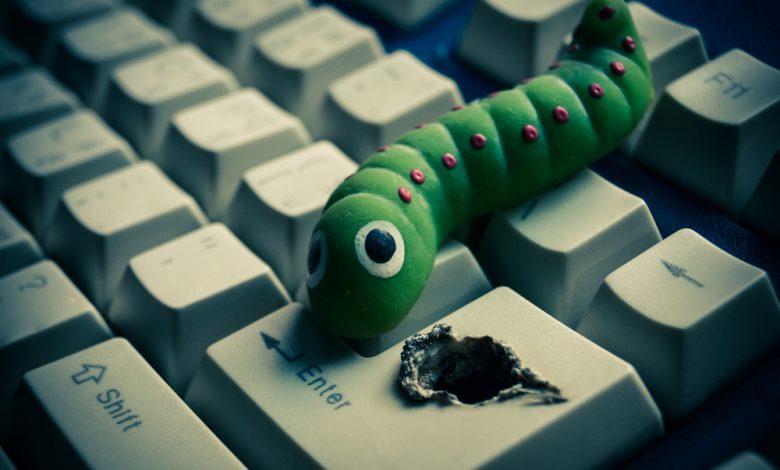
A worm is a true nightmare when it infects a computer on the network. It was designed solely and exclusively to “survive,” and as mentioned above, its goal is to replicate itself across the network, which can not only overload the network but also open the door to other vulnerabilities. Worms take up disk space, memory, and bandwidth. They can delete/modify files, spy on computers, or turn them into “zombies” through a botnet.
For sysadmins’ nightmare, the only way to prevent a worm from spreading is to isolate the network’s computers and treat each one individually until the threat is eliminated.
-
Trojan
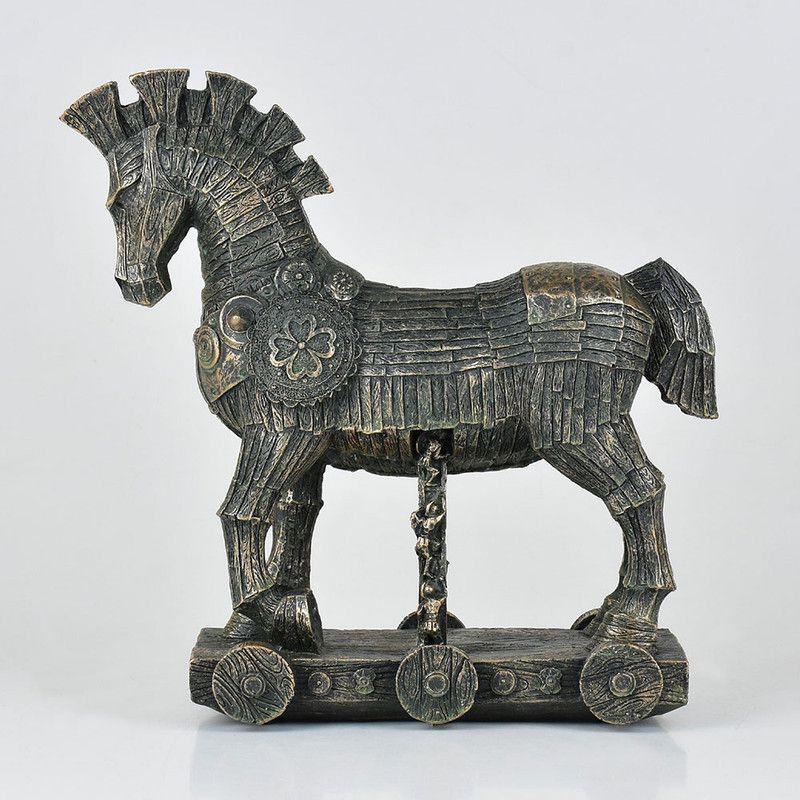
A bit of history: the defenses of the city of Troy were extremely fortified and virtually impenetrable. With that in mind, the Greeks had the brilliant idea of building an enormous wooden horse to present to the Trojans, who happily accepted the gift. The clever part is that hidden inside the sculpture were dozens of soldiers.
Later that day, the soldiers emerged from inside the horse and conquered the city of Troy, giving rise to the term “Greek gift“: a harmless-looking gift that hides a terrible, elaborate plan inside it.
The Trojan horse in the digital world, or simply “trojan,” is malicious software that disguises itself as a legitimate program. But once opened, it infects and takes full control of the victim’s computer, giving the attacker countless possibilities.
A trojan can be any website, media file, or document designed to catch your attention and induce you to download it. The attacker can modify, read, and delete files on the computer, access the victim’s computer in real time, install other programs, and so on.
(Image taken from Wikipedia)
-
Rootkit
A rootkit is malware designed to give crackers/hackers access to a specific device. It’s also one of the hardest types of malware to remove from a computer.
This happens because a rootkit installs itself in both the hardware and firmware of a computer, making removal extremely difficult. Because of this, many technicians, due to a lack of knowledge in the field, end up simply reformatting the computer when a client brings in a machine with some type of virus. If it’s a rootkit, this won’t solve the problem, since even after reformatting, the rootkit keeps running on the computer’s hardware. So, if you suspect your computer has malware, we recommend sending it to specialists in the field so they can properly diagnose and identify the source of the attack and guide you.
-
Adware
Adware is malware that generally stays in the victim’s browser. It displays various fake ads such as promotions, virus warnings, and, in some cases, sexual content ads. Its main goal is to grab the victim’s attention and get them to click the ad, which will redirect them to a phishing site or trigger the download of some malware.
Although relatively harmless (since it depends on the victim clicking the ad), this type of malware is quite annoying, mostly because it’s visually intrusive and over the top.

How can I protect myself from malware?
Keeping these types of malware in mind, let’s talk about a few ways to protect your computer. There’s no completely effective way to browse without being exposed to some malware risk; perhaps the only way is to not use a computer at all. However, “nothing ventured, nothing gained,” so here are a few tips to help you keep your computer more secure.
- Keep your operating system and applications always up to date.
- Avoid piracy; use only original products.
- Don’t lend your personal computer/phone to anyone.
- Never click a link from a pop-up.
- Avoid visiting unknown websites.
By using your computer this way, you can protect it and avoid most problems, but remember… there’s no such thing as a fully secure system.
That was our post on “types of malware and how to protect your computer.” Thank you for reading this far, and if you’d like to learn more about this security topic, keep an eye on our new posts or get in touch with us.
Is your operation ready for this?
Talk to ACT and understand, with clarity, where your operation is exposed.
Talk to ACT